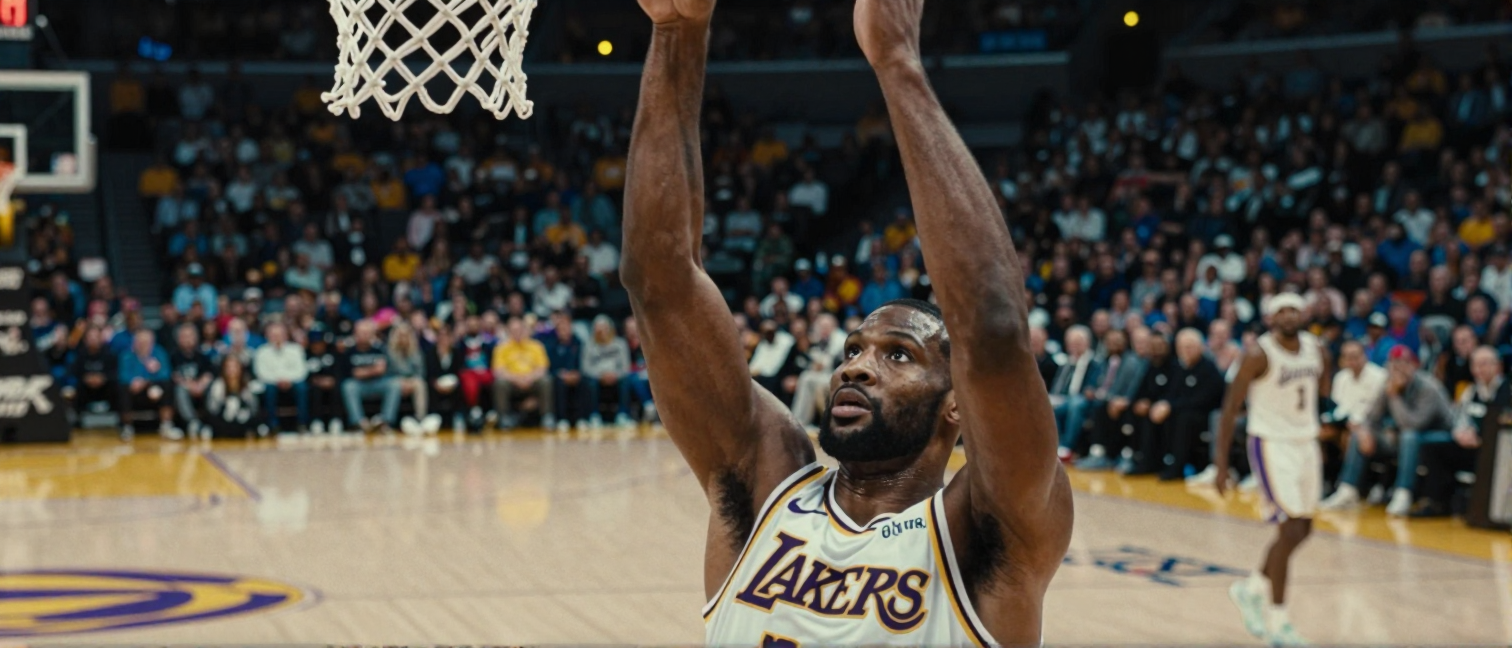
Carmelo Anthony’s free‑agent rights were officially renounced by the Los Angeles Lakers on July 8 2026, ending the franchise’s lingering claim on the retired NBA legend.
What exactly happened?
The Lakers filed a roster move that stripped the team of Anthony’s contractual rights along with a dozen other former players. The list, posted by HoopsHype’s Michael Scotto, included LeBron James, Dwight Howard, Dion Waiters and several others. By renouncing these rights, the Lakers removed the players from their salary‑cap ledger, freeing up space for upcoming signings.
Why does this matter for Carmelo Anthony?
Anthony, now a broadcaster, has not played since the 2022‑23 season. Yet his name remained on the Lakers’ cap sheet because the franchise held his rights after a brief 2023‑24 stint on a two‑way contract that never materialized. The July 8 decision signals that the organization no longer expects any on‑court return, even a surprise cameo. For fans, it’s a symbolic closure—no longer will “Melo” appear in transaction rumors tied to Los Angeles.
How does this affect the Lakers’ roster strategy?
Los Angeles entered the 2026 offseason with a crowded rights list that limited flexibility. By clearing Anthony and the other names, the Lakers can now allocate cap room toward free agents, extensions for current stars, or potential trades. The move also aligns with the franchise’s broader push to stay competitive while managing luxury‑tax thresholds.
What’s next for Carmelo Anthony?
With his rights officially released, Anthony is free to pursue any post‑playing opportunities without a lingering NBA affiliation. He’s already a regular on ESPN’s studio shows, and the removal of contractual ties may make it easier for him to accept coaching clinics, overseas ambassador roles, or even a front‑office position elsewhere. The renunciation does not affect his pension or Hall‑of‑Fame status; it merely ends a dormant contractual link.
How often do teams renounce rights like this?
Renouncing player rights is a routine offseason maneuver, especially for franchises with multiple veteran contracts. Teams typically wait until a player’s career winds down before taking the step, as the rights can occasionally be used in trades. In the Lakers’ case, the July 8 filing cleared a backlog that had accumulated over several seasons, reflecting a proactive approach to cap management.
Any broader NBA implications?
While the move centers on the Lakers, it underscores a league‑wide trend: clubs are increasingly diligent about pruning dormant rights to stay agile in a market where max contracts and super‑max extensions dominate. Other teams may follow suit, especially those with aging rosters and limited cap flexibility.
Who announced the move?
The official announcement came via a tweet from Michael Scotto, senior NBA analyst at HoopsHype, who listed every player whose rights were renounced. The Lakers themselves have not issued a separate press release, leaving the tweet as the primary source of information.
What does this mean for Lakers fans?
For longtime supporters, seeing Carmelo Anthony’s name finally disappear from the roster sheet offers a sense of closure. It also reminds fans of the franchise’s storied past, where legends like Anthony, James and Howard have all left their marks. The renunciation is a quiet administrative step, but it clears the way for the next chapter of Lakers basketball.
Final note
The July 8, 2026 rights renunciation is a procedural move with no immediate on‑court impact, yet it wraps up a lingering contractual thread that tied Carmelo Anthony to Los Angeles for years after his playing days ended. The Lakers can now focus on building a roster that competes for the 2026‑27 championship, while Anthony continues his off‑court career in media and beyond.